Famous First Landing Pages | Google, Facebook, Amazon…
June 16, 2023
“If you’re not embarrassed by the first version of your product, you’ve launched too late.” — Reid Hoffman
If your startup is successful, no one will remember how ugly your product looked the day you launched. (And if it’s not successful, no one will care.)
When we think about successful companies like Google, Facebook, and Twitter, we tend to forget the modest beginnings from which they came. As Paul Graham recently wrote, “Think of some successful startups. How many of their launches do you remember?”
In celebration of modest beginnings, here’s a dose of reality: I recently came across the landing pages of some of the most successful companies we know. This is something everyone should see.
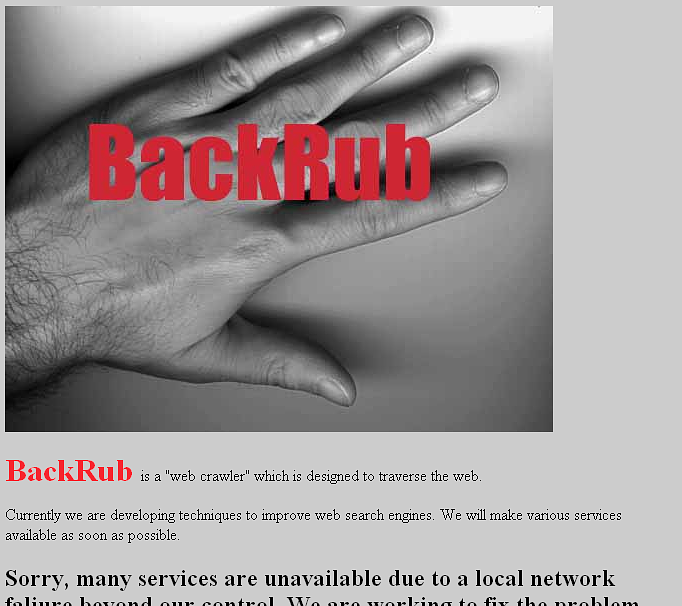
The moral of the story: don’t name your company BackRub. Also, don’t worry about making something pretty, worry about making something people love. As Reid Hoffman (the founder of LinkedIn) once said, “If you are not embarrassed by the first version of your product, you’ve launched too late.”
It’s easy to say “have a growth mindset,” and “follow lean startup principles.” It’s a lot harder in reality, when you have to launch quickly, and put out versions of your product that feel unfinished, raw, or even ugly. Take a look at the startups below, and how they launched their first product — and maybe you can launch a little earlier. Or a lot earlier.
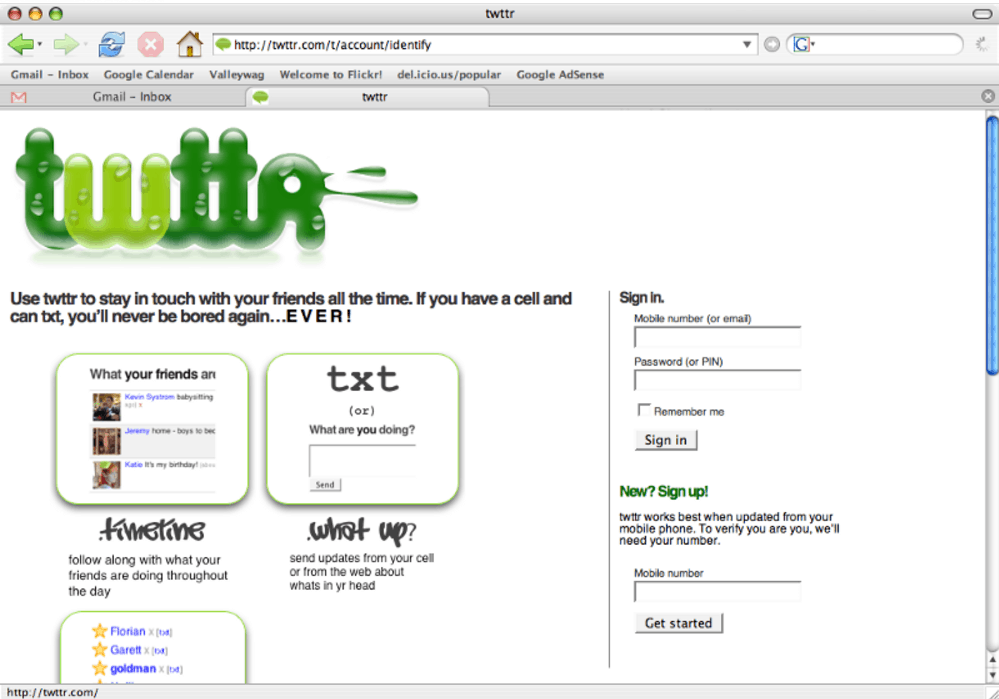
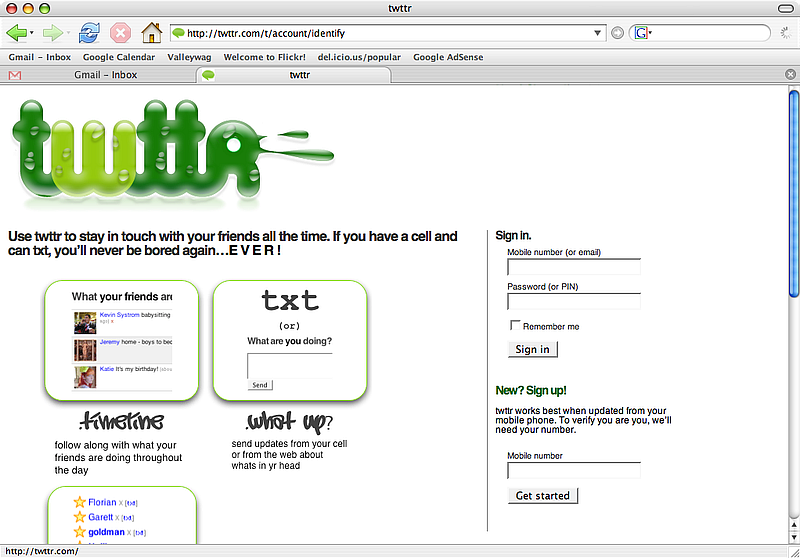
Twitter’s first landing page:
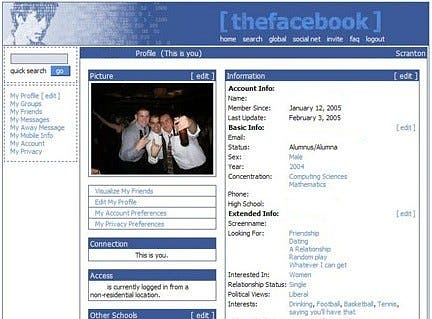
Early Facebook homepage:
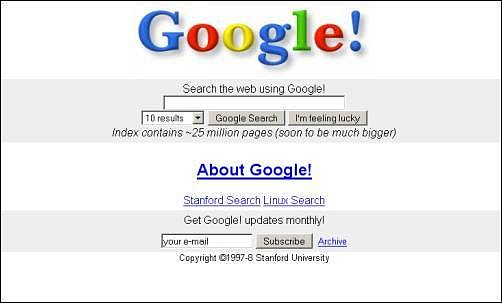
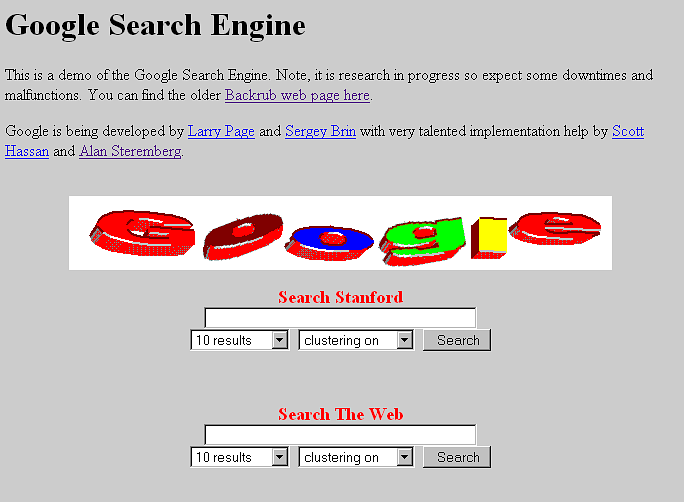
Early Google homepage (from 1997):
The precursor to Google, BackRub:
An even earlier Google homepage:
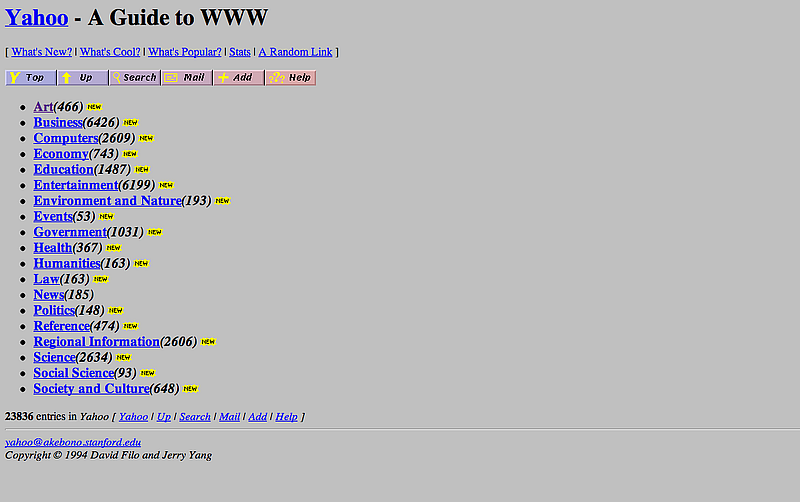
Yahoo!’s homepage in 1994:
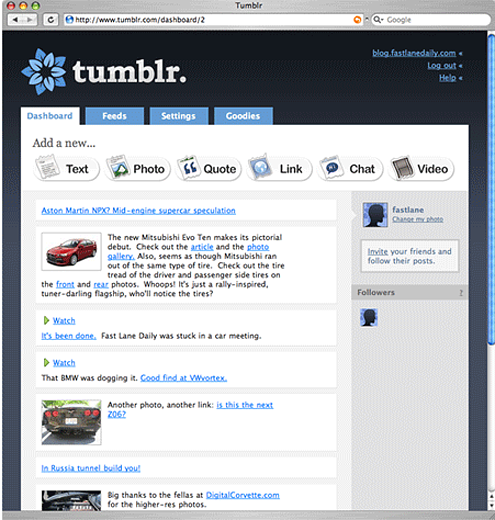
Early tumblr dashboard screenshot:
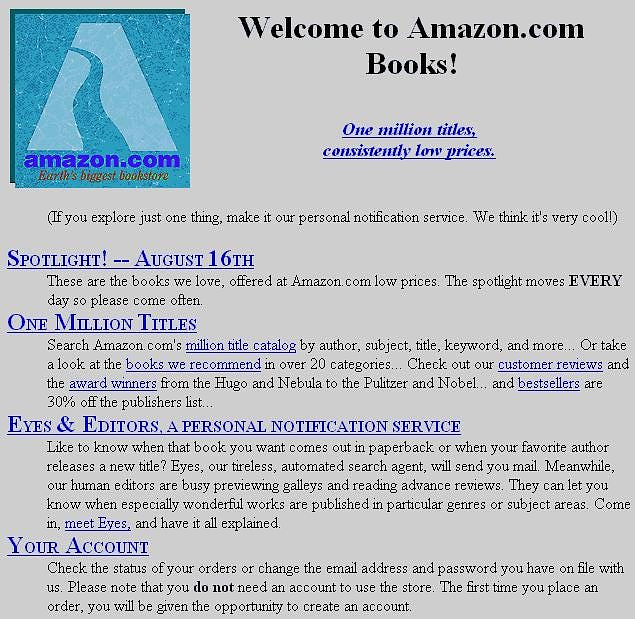
Early Amazon homepage screenshot:
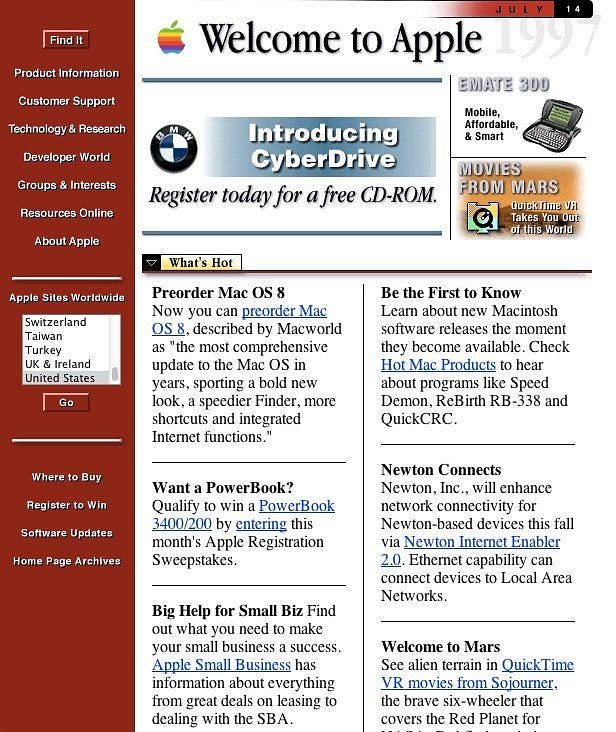
Apple circa 1997:
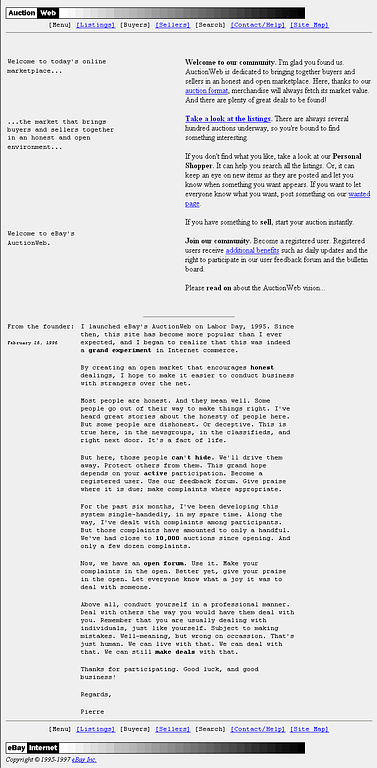
AuctionWeb before it became eBay:
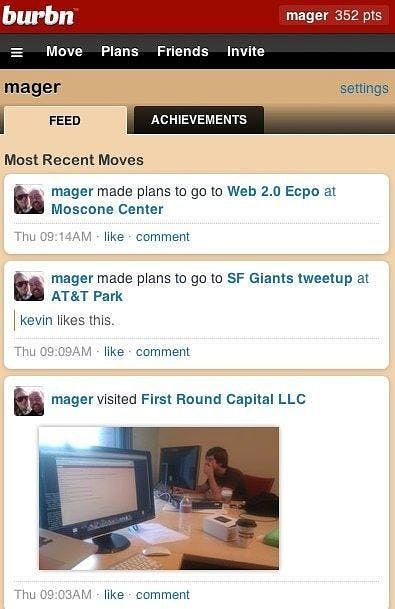
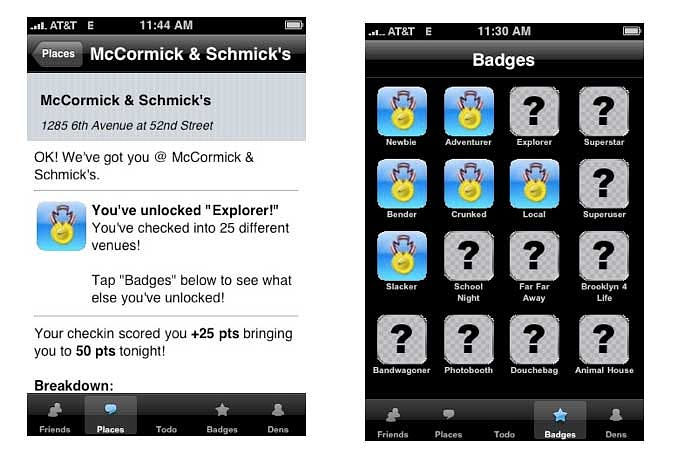
Burbn (a Foursquare clone) before it pivoted to… Instagram:
The first ever prototype of Foursquare (shown at SXSW in 2009):
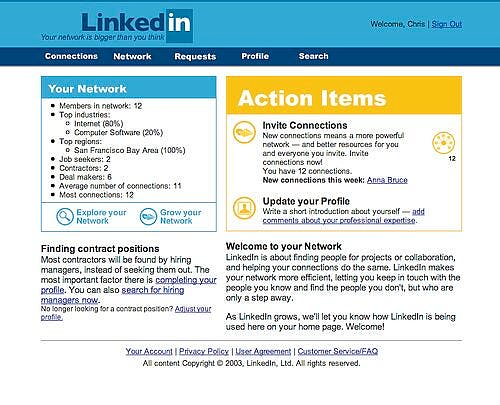
Reid Hoffman’s original LinkedIn:
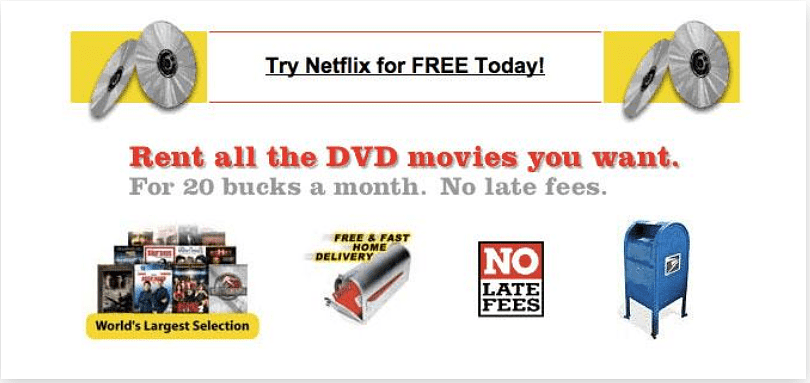
A very sterile version of Netflix (before you could stream):
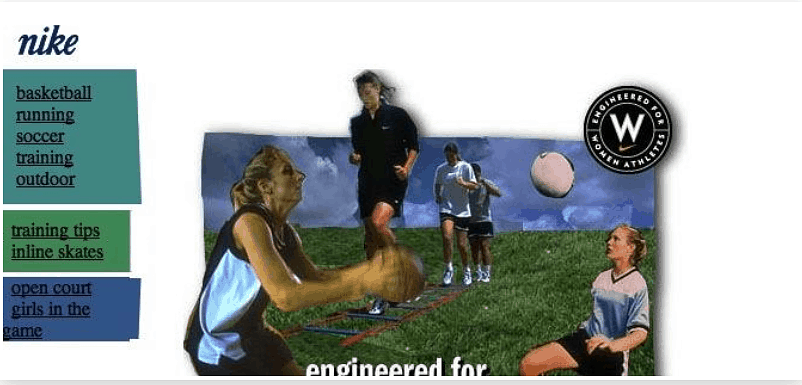
Nike (circa 1998):
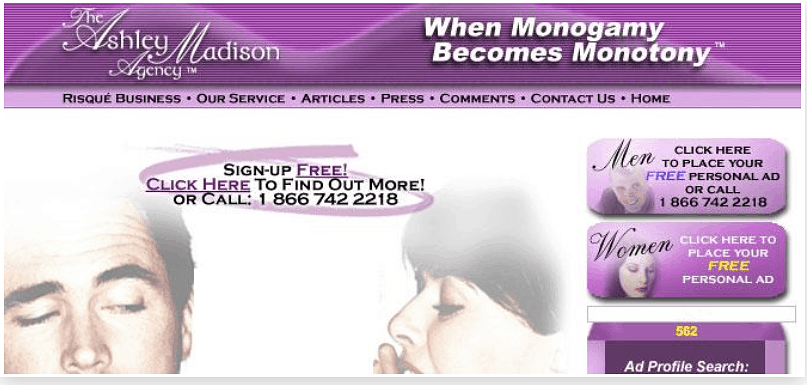
Ashley Madison (long before they were hacked):
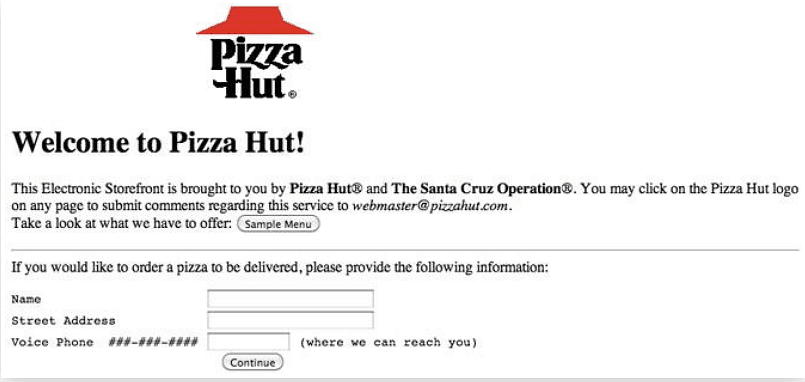
Pizza Hut (circa 1997):
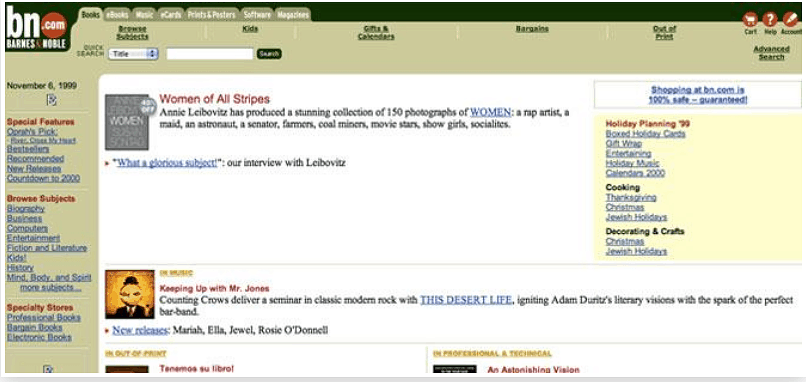
Barnes & Noble (circa 1999):
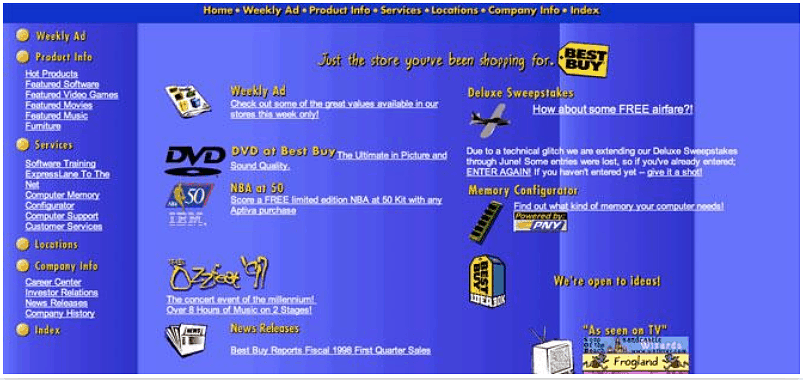
Best Buy (circa 1997):
Target (keeping things incredibly simple):
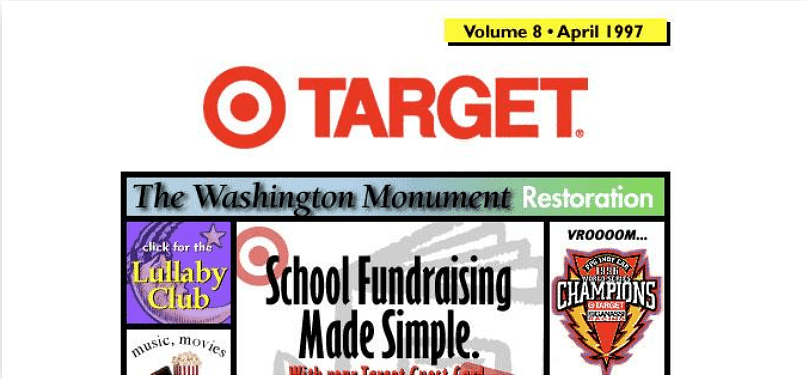
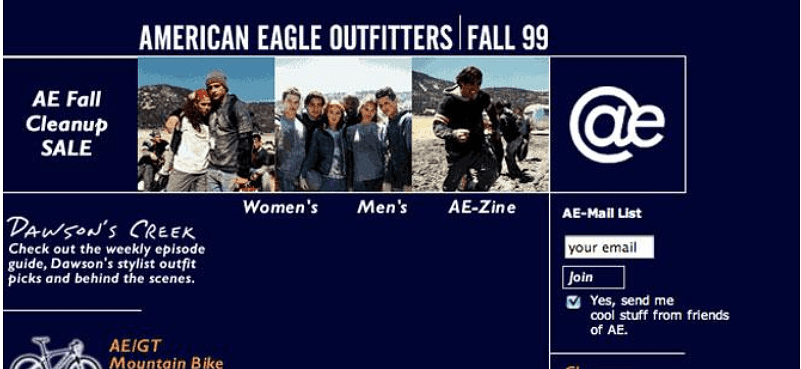
American Eagle (if the Dawson’s Creek reference doesn’t age it…):
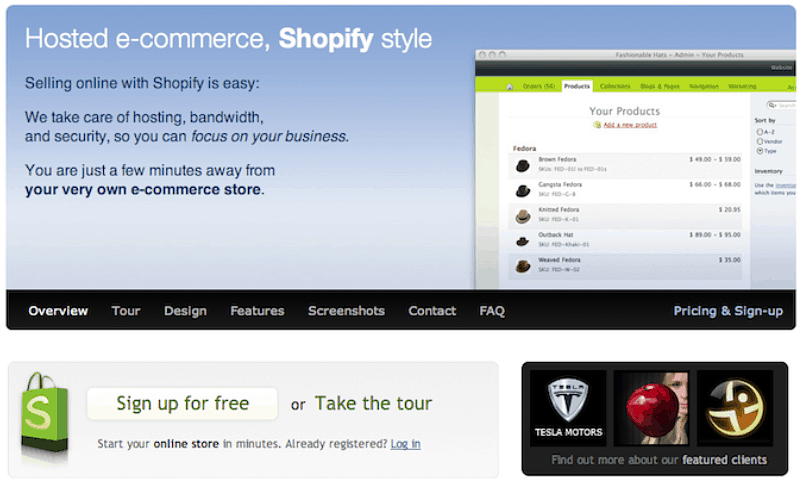
Shopify (the early years of e-commerce):
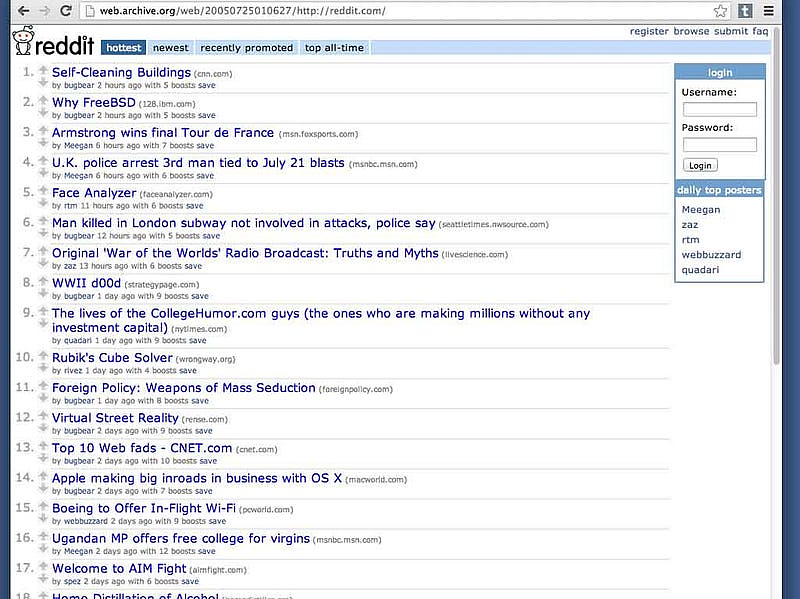
And finally… Reddit (some things never change):
What stands out to you? How would you have designed things differently?
It’s easy to think that you need to have a great design and get everything polished before you release it to the world. In reality, you should launch things as soon as you can, as quickly as you can, to get validated learning. The Lean Startup talks about this as validated learning — getting immediate feedback from users as to what they actually want, not assuming you know all the answers.
Responsive vs. Adaptive vs. Fluid Design
The world of web design has changed quite a bit over the years. As it continues to evolve, mobile-friendly design has...

20 Website Examples built with Ruby on Rails
Ruby on Rails is a popular web development framework. It’s used for building websites and applications like Twitter, ...

The Best Text Editors for Beginners
What text editor should I use? What is a text editor, and why does it matter which one I use? Text editors are programs that type simple text without the sort of formatting a word processor will so rudely slip in. No comic sans, no forced margins, no line breaks (I just tested this with a